

Welcome to APPPEXPO 2026
2026-02-27
How to Choose a Reliable RC Photo Paper Supplier
2026-03-13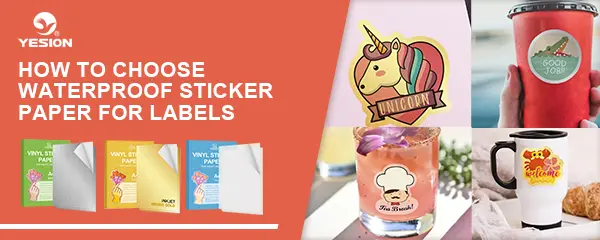
Label durability matters in a competitive market. Whether for product packaging, shipping labels, bottle branding, or promotional stickers, choosing the right waterproof sticker paper affects your brand image and product lifespan. Labels that smudge, peel, or fade from minor moisture damage customer trust.
This guide explains how to choose waterproof sticker paper based on surface type, printer compatibility, ink choice, environmental exposure, and durability needs, helping you select professional, long-lasting label materials.
Why Waterproof Sticker Paper Matters
Standard sticker paper may perform well in dry indoor conditions, but it quickly fails when exposed to:
- Water splashes
- Refrigeration or condensation
- Oils and chemicals
- Outdoor sunlight
- Freezing or humid environments
Waterproof sticker paper is specifically engineered with synthetic or coated materials that resist moisture absorption. Instead of swelling or smearing, these labels maintain adhesion, color vibrancy, and structural integrity.
For industries such as food & beverage, cosmetics, cleaning products, outdoor gear, and logistics, waterproof labels are essential.
How to choose the right waterproof sticker paper?
Step 1: Identify the Surface Type
Choosing waterproof sticker paper begins with understanding where the label will be applied. Adhesion performance varies significantly depending on surface texture and material.
1. Glass Surfaces
Glass bottles, jars, and containers require:
- Strong adhesive backing
- Smooth surface compatibility
- Condensation resistance
If products are refrigerated, ensure the sticker paper is rated for cold storage conditions.
2. Plastic Surfaces
Plastic containers (PET, HDPE, PP) can be challenging due to low surface energy. Select:
- High-tack adhesive
- Flexible synthetic sticker paper
- Oil-resistant material if used for cosmetics or chemicals
3. Metal Surfaces
For metal tins, tools, or industrial containers:
- Choose weather-resistant vinyl-based sticker paper
- Ensure corrosion and moisture protection
- Consider UV-resistant coatings for outdoor use


Step 2: Match Sticker Paper to Your Printer Type
Not all waterproof sticker paper works with every printer. Selecting the correct material for your printing equipment is critical.
Inkjet Printer Compatibility
Inkjet waterproof sticker paper is specially coated to absorb dye or pigment inks while preventing smearing. Look for:
- Quick-dry coating
- Smudge-resistant surface
- Water-resistant ink absorption layer
If using dye-based ink, consider applying a clear sealant spray for additional protection.
Laser Printer Compatibility
Laser printers use heat to fuse toner onto the surface. Waterproof sticker paper for laser printers must:
- Withstand high fuser temperatures
- Have a heat-resistant synthetic top layer
- Prevent curling during printing
Laser-compatible waterproof labels often provide superior water resistance without additional sealing.
Always verify printer compatibility before purchasing to avoid print defects or equipment damage.
Step 3: Evaluate Durability Requirements
Durability is one of the most important factors when choosing waterproof sticker paper for labels. Consider the following environmental conditions:
Indoor Use
For labels used indoors with minimal moisture exposure:
- Standard waterproof coating may be sufficient
- Semi-gloss or matte finishes work well
Refrigerated or Freezer Storage
For food jars, beverage bottles, or frozen goods:
- Choose freezer-grade adhesive
- Ensure moisture-condensation resistance
- Select flexible materials to prevent cracking
Outdoor Exposure
For garden labels, equipment tags, or outdoor branding:
- UV-resistant coating
- Weatherproof vinyl sticker paper
- Fade-resistant printing compatibility
Chemical & Oil Contact
For cleaning products or cosmetic packaging:
- Oil-resistant top coating
- Strong adhesive bond
- Scratch-resistant laminate layer
The harsher the environment, the more advanced the material specification should be.
Step 4: Choose the Right Finish
Waterproof sticker paper comes in several finishes, each serving different branding and functional needs.
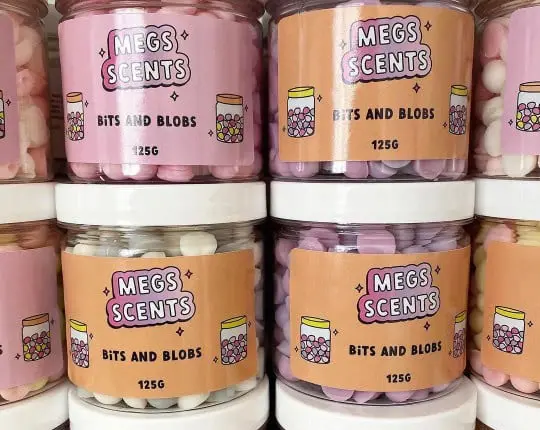
Glossy Finish
- Enhances color vibrancy
- Professional retail appearance
- Easy to wipe clean
- Ideal for product packaging

glossy stickers
Matte Finish
- Soft, non-reflective surface
- Elegant branding aesthetic
- Easier to write on (permanent markers)
- Reduces glare under lighting
Clear Transparent Finish
- Creates “no-label” look
- Perfect for glass bottles
- Premium minimalist design
Finish selection influences both visual impact and usability.
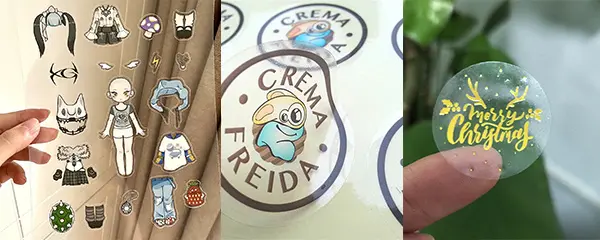
clear sticker
Step 5: Understand Adhesive Types
Adhesive strength is critical when selecting waterproof sticker paper for labels.
Permanent Adhesive
- Strong long-term bond
- Ideal for product packaging
- Not easily removable
Removable Adhesive
- Leaves minimal residue
- Suitable for temporary promotions
- Not recommended for wet environments
Freezer-Grade Adhesive
- Designed for sub-zero conditions
- Prevents peeling due to condensation
Selecting the correct adhesive ensures your labels remain securely attached throughout their lifecycle.
Step 6: Consider Additional Protection
Even waterproof sticker paper can benefit from added protection in demanding environments.
Lamination
Clear laminate sheets add:
- Extra scratch resistance
- UV protection
- Enhanced chemical resistance
Sealant Sprays
For inkjet labels, applying a waterproof clear acrylic spray can significantly improve durability.
Heat Sealing
In industrial production, heat sealing or protective coating layers can further extend label lifespan.
Step 7: Test Before Bulk Production
Before committing to large-scale printing, conduct practical testing:
- Print a sample batch
- Apply to actual product surfaces
- Expose to water, refrigeration, or sunlight
- Check adhesion after 24–72 hours
Testing ensures the waterproof sticker paper meets real-world expectations.
Common Mistakes to Avoid
When selecting waterproof sticker paper for labels, avoid these frequent errors:
- Choosing paper-based labels instead of synthetic waterproof material
- Ignoring printer compatibility
- Using dye ink without sealing
- Underestimating environmental exposure
- Selecting weak adhesive for plastic surfaces
Attention to detail prevents costly reprints and product recalls.
Investing in the right waterproof sticker paper today guarantees durable, high-performance labels that stand out in any environment.
Related:
The Best Waterproof vinyl sticker papers for Labels & Decals
Knowing About Waterproof Inkjet Sticker Paper
Vinyl vs. Paper-Based Sticker Paper: What’s the Difference?
What Are the Different Types of Vinyl Sticker Paper?
Matte vs Glossy:Which Sticker Paper to choose for printing Labels?
