

What Are Printable Magnet Sheets?
2026-05-08
Best Inkjet Printable Magnet Sheets for Sharp Results
2026-05-22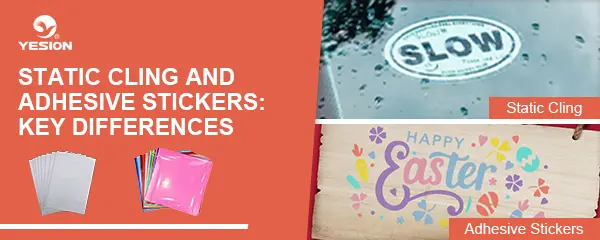
In the world of custom signage, retail decoration, promotional graphics, and branding materials, static cling stickers and adhesive stickers are two of the most widely used solutions. Although they may appear similar at first glance, these products are designed for completely different applications, surfaces, and user experiences. As a professional manufacturer of printable static cling stickers, we understand how critical it is for distributors, wholesalers, print shops, and business owners to choose the right material for their projects.
Selecting the wrong sticker type can lead to peeling, residue problems, short product life, difficult installation, or damaged surfaces. Understanding the core differences between static cling materials and adhesive-backed stickers helps businesses reduce costs, improve presentation quality, and increase customer satisfaction.
In this comprehensive guide, we explain the major differences between static cling stickers and adhesive stickers, including materials, applications, durability, printing compatibility, removability, environmental conditions, and commercial usage scenarios.
What Are Static Cling Stickers?
Static cling stickers are made from PVC vinyl material without adhesive glue. Instead of using sticky backing, they adhere to smooth surfaces through static electricity and vacuum suction. This unique feature allows the stickers to attach firmly while remaining removable and reusable.
What Are Adhesive Stickers?
Adhesive stickers use a pressure-sensitive glue layer attached to the back of the material. Once applied, the adhesive bonds directly with the surface to create strong attachment.
Static Cling and Adhesive Stickers: Material Structure
Static Cling Material Composition
Printable static cling stickers are generally produced from:
- Soft PVC film
- Electrostatic vinyl
- Transparent or white cling film
Key material characteristics include:
- Flexible texture
- No glue coating
- Smooth glossy surface
- Reusable performance
- Easy repositioning
Because there is no adhesive layer, static cling film maintains clean removal properties even after repeated applications.
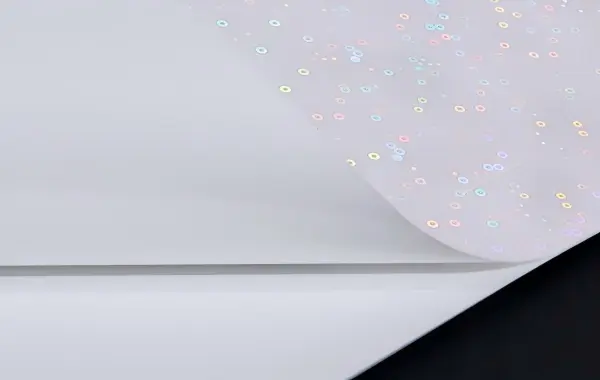
Adhesive Sticker Material Composition
Adhesive stickers usually consist of:
- Vinyl
- PET film
- Paper labels
- Synthetic films
- Laminated composite materials
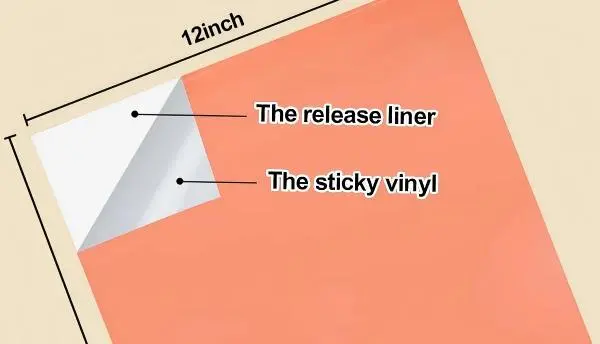
The backside contains:
- Permanent adhesive
- Removable adhesive
- Solvent-based adhesive
- Water-based adhesive
- Acrylic adhesive
This structure provides stronger bonding but reduces reusability.
Key Difference #1: Adhesion Method
Static Cling Stickers Use Electrostatic Attraction
Static cling decals adhere through static electricity and vacuum pressure. They work best on clean, smooth, flat surfaces.
Advantages include:
- No glue required
- Easy installation
- Bubble-free application
- Clean removal
- Repositionable design
However, static cling products perform poorly on textured or porous surfaces.
Adhesive Stickers Use Glue Bonding
Adhesive stickers rely on pressure-sensitive glue to attach permanently or semi-permanently.
Benefits include:
- Strong attachment
- Outdoor durability
- Better weather resistance
- Suitable for rough surfaces
- Long-term performance
The downside is potential residue after removal, especially with permanent adhesives.
Key Difference #2: Reusability
Static Cling Stickers Are Reusable
One of the biggest advantages of static cling materials is their reusability. Users can remove and reposition the sticker multiple times without damaging the surface.
This makes them ideal for:
- Retail window promotions
- Holiday decorations
- Temporary advertising
- Educational graphics
- Car window decals
Businesses frequently choose static cling stickers for campaigns requiring seasonal updates.

static cling sticker on glass and window
Adhesive Stickers Are Usually Single-Use
Most adhesive stickers lose bonding performance after removal. Reapplication often results in:
- Weak adhesion
- Curling edges
- Dust contamination
- Surface damage
Permanent adhesive products are generally not designed for reuse.
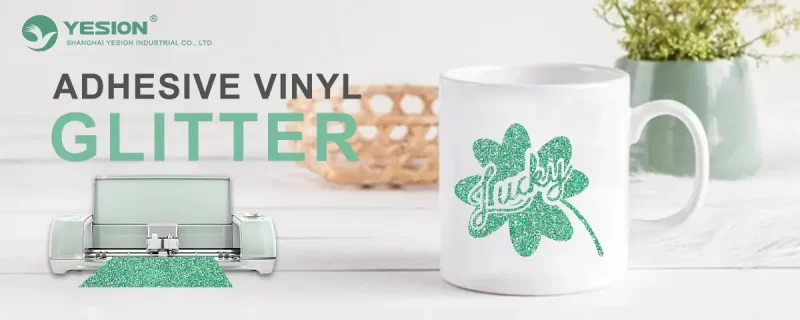
Glitter Adhesive Vinyl
Key Difference #3: Surface Compatibility
Best Surfaces for Static Cling Stickers
Static cling works best on:
- Glass
- Polished metal
- Acrylic
- Plastic sheets
- Smooth appliances
They are unsuitable for:
- Wood
- Fabric
- Concrete
- Matte surfaces
- Textured walls
Surface smoothness directly affects cling performance.
Best Surfaces for Adhesive Stickers
Adhesive stickers can bond to:
- Cardboard
- Plastic
- Metal
- Packaging
- Walls
- Vehicles
- Equipment
Their versatility makes them suitable for industrial and commercial environments.
Key Difference #4: Residue After Removal
Static Cling Stickers Leave No Residue
Because there is no glue layer, static cling decals remove cleanly without leaving sticky marks.
This is especially important for:
- Retail stores
- Rental properties
- Automotive glass
- Office environments
- Electronic displays
No residue means less cleaning time and no surface damage risk.
Adhesive Stickers May Leave Glue Residue
Adhesive products often leave behind:
- Sticky glue marks
- Torn label fragments
- Surface discoloration
- Cleaning challenges
Removing residue may require solvents or scraping tools.
Key Difference #5: Durability and Outdoor Performance
Static Cling Stickers Are Better for Indoor and Temporary Use
Static cling products are primarily designed for:
- Indoor applications
- Short-term campaigns
- Temporary promotions
Extended outdoor exposure can reduce cling performance due to:
- Dust accumulation
- Humidity changes
- Heat exposure
- Wind pressure
Although premium cling films offer improved durability, they are still considered temporary display materials.
Adhesive Stickers Offer Better Long-Term Durability
High-quality adhesive vinyl stickers provide:
- Waterproof performance
- UV resistance
- Chemical resistance
- Long outdoor lifespan
- Strong weather protection
For vehicles, machinery, packaging, or permanent branding, adhesive stickers are generally the better option.
Key Difference #6: Printing Compatibility
Printable Static Cling Stickers
Modern static cling materials support multiple printing technologies, including:
- Inkjet printing
- UV printing
- Eco-solvent printing
- Latex printing
- Screen printing
Our printable static cling film is optimized for vibrant image quality, smooth ink absorption, and excellent color reproduction.
Popular printed products include:
- Window graphics
- Promotional decals
- POP displays
- Retail advertisements
- Holiday decorations
Adhesive Stickers
There is no need to print. Clean and dry surface, cut & weed design, apply transfer tape, scrape on vinyl, then adhere and remove tape.
Key Difference #7: Cost Comparison
Static Cling Sticker Cost
Static cling film is often slightly more expensive than standard adhesive paper labels due to:
- Specialized PVC formulation
- Electrostatic performance requirements
- Reusable functionality
However, reusability can lower overall campaign costs for temporary promotions.
Adhesive Sticker Cost
Adhesive stickers range widely in price depending on:
- Adhesive quality
- Material thickness
- Outdoor durability
- Printing requirements
- Lamination options
Paper adhesive labels are usually the lowest-cost solution.
Industries That Prefer Static Cling Stickers
Many industries prefer static cling products because of their clean removability and reusable performance.
Retail Stores
Retailers use static cling graphics for:
- Window promotions
- Seasonal discounts
- Store decorations
- Flash sale advertisements
Automotive Industry
Car dealerships and automotive businesses use cling decals for:
- Price displays
- Temporary branding
- Parking permits
- Inspection labels
Educational Institutions
Schools use reusable static cling graphics for:
- Classroom teaching aids
- Educational displays
- Interactive learning materials
Home Decoration
Consumers love static cling decals for:
- Holiday window decorations
- Privacy window films
- Decorative mirrors
- Refrigerator graphics
Industries That Prefer Adhesive Stickers
Packaging Industry
Adhesive labels dominate:
- Food packaging
- Cosmetics
- Logistics
- Barcode labels
- Shipping labels
Industrial Manufacturing
Factories use adhesive labels for:
- Equipment identification
- Safety warnings
- Asset management
- Compliance labeling
Outdoor Advertising
Adhesive vinyl stickers are preferred for:
- Vehicle wraps
- Outdoor signs
- Construction graphics
- Long-term branding
How to Choose Between Static Cling and Adhesive Stickers
Choosing the correct material depends on several factors.
Choose static cling stickers if you need:
- Reusable graphics
- Temporary promotions
- Residue-free removal
- Glass applications
- Easy repositioning
Choose adhesive stickers if you need:
- Permanent attachment
- Outdoor durability
- Strong adhesion
- Industrial labeling
- Long-term branding
Understanding the application environment is essential before selecting materials.
Why Businesses Choose Our Printable Static Cling Stickers
As a professional static cling sticker manufacturer, we provide high-quality printable cling materials designed for commercial printing and industrial applications.
Our advantages include:
- Stable electrostatic performance
- Excellent transparency
- Smooth printable surface
- High ink compatibility
- Custom thickness options
- OEM and wholesale support
- Large-scale manufacturing capacity
- Strict quality control standards
We support distributors, wholesalers, advertising companies, print shops, and global importers with reliable static cling solutions tailored for modern printing markets.
Both static cling stickers and adhesive stickers offer unique advantages depending on the application. Static cling materials excel in temporary, reusable, and residue-free environments, while adhesive stickers dominate long-term, durable, and industrial applications.
For businesses focused on retail displays, window graphics, promotional campaigns, or removable signage, printable static cling stickers provide a clean, professional, and flexible solution. For permanent branding and outdoor durability, adhesive stickers remain the industry standard.
Related:
What Is a Static Cling Sticker and How Does It Work?
