

How to Fix Cracking Waterslide Decals
2026-06-26
What is the best paper for printing stickers?
2026-07-10
What Is Cold Laminating Film Thickness?
Cold laminating film thickness refers to the overall thickness of the protective film layer applied without heat. It is typically measured in:- Microns (μm)
- Mil (thousandths of an inch)
| Microns | Mil |
|---|---|
| 50μm | 2 mil |
| 75μm | 3 mil |
| 80μm | 3.2 mil |
| 100μm | 4 mil |
| 125μm | 5 mil |
| 150μm | 6 mil |
| 200μm | 8 mil |
Why Cold Laminating Film Thickness Matters
Thickness influences more than protection. It changes the way materials feel, bend, reflect light, and resist environmental damage. Key performance areas affected by thickness include:1. Surface Protection
Thicker films provide stronger resistance against:- Scratches
- Fingerprints
- Moisture
- Dirt
- Minor abrasion
- UV exposure
2. Structural Strength
Additional thickness increases rigidity, helping printed graphics remain flat and wrinkle resistant.3. Flexibility
Thinner films conform more easily to curved surfaces and complex applications.4. Visual Appearance
Film thickness can enhance:- Color saturation
- Surface smoothness
- Matte texture
- Gloss intensity
- Premium visual perception
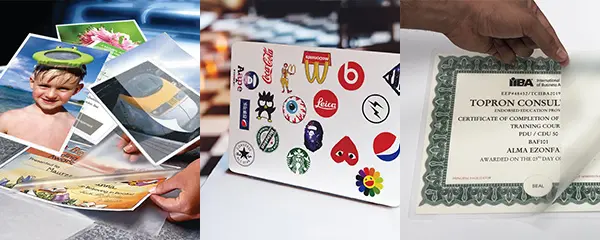
Uses of Cold Laminating Film
Cold Laminating Film Thickness Guide
50–60 Micron Cold Laminating Film: Lightweight Protection
This thickness category is ideal for projects requiring maximum flexibility and cost efficiency.This thickness category is ideal for projects requiring maximum flexibility and cost efficiency.
Recommended applications:
-
Temporary promotional graphics
-
Indoor posters
-
Short-term advertising
-
Paper protection
-
Educational materials
Advantages:
-
Lower material consumption
-
Easy manual application
-
Smooth finishing
-
Excellent flexibility
Limitations:
-
Lower scratch resistance
-
Shorter service life
-
Limited outdoor durability
This range works best when visual enhancement matters more than long-term protection.

Applications of Cold Laminating Film
75–80 Micron Cold Laminating Film: Balanced Everyday Performance
Among the most widely used options, this thickness creates an ideal balance between cost, durability, and flexibility.
Recommended applications:
-
Photo stickers
-
Retail signage
-
Labels
-
Window graphics
-
Branding materials
Advantages:
-
Improved durability
-
Better anti-scratch performance
-
Professional finish
-
Good handling characteristics
Limitations:
-
Moderate stiffness
-
Limited heavy-duty protection
For most commercial graphics projects, this thickness delivers highly efficient performance.
100–125 Micron Cold Laminating Film: Professional Protection
This range is preferred for projects requiring a more premium appearance and stronger protection.
Recommended applications:
-
Premium stickers
-
Product packaging samples
-
Educational boards
-
Display graphics
-
Point-of-sale materials
-
Long-term indoor signage
Advantages:
-
Enhanced rigidity
-
Superior surface protection
-
Premium appearance
-
Better edge stability
Limitations:
-
Higher material cost
-
Reduced flexibility on curves
Projects targeting professional presentation often benefit significantly from this thickness range.
150–200 Micron Cold Laminating Film: Heavy-Duty Performance
Thicker laminating films deliver stronger physical resistance and long-term durability.
Recommended applications:
-
Industrial labels
-
Outdoor signs
-
Vehicle graphics
-
High-touch displays
-
Durable instructional graphics
Advantages:
-
Maximum durability
-
Excellent wear resistance
-
Longer lifespan
-
Strong structural support
Limitations:
-
Less conformability
-
Increased application pressure
-
Higher shipping and storage costs
Heavy-duty applications commonly use thicker films when environmental exposure is expected.

Holographic Cold Laminating Film
How to Choose the Best Cold Laminating Film Thickness
Selecting thickness becomes easier when evaluating five practical criteria.
Application Surface
Different surfaces require different flexibility levels.
| Surface Type | Suggested Thickness |
|---|---|
| Paper | 50–80μm |
| Printable Vinyl | 75–100μm |
| Labels | 75–125μm |
| Window Graphics | 80–100μm |
| Vehicle Graphics | 100–150μm |
| Outdoor Signage | 125–200μm |
Expected Lifespan
Consider usage duration before selecting.
| Service Duration | Recommended Thickness |
|---|---|
| Less than 3 months | 50–60μm |
| 3–12 months | 75–100μm |
| 1–3 years | 100–125μm |
| 3+ years | 150–200μm |
Longer exposure periods generally benefit from increased protection.
Surface Finish Selection
Thickness works together with surface texture.
Gloss Finish
-
Enhances color vibrancy
-
Creates a premium appearance
-
Suitable for retail graphics
Matte Finish
-
Reduces glare
-
Provides elegant visual softness
-
Suitable for reading surfaces
Textured Finish
-
Adds tactile quality
-
Helps hide scratches
-
Improves durability
Manual vs Machine Application
Application method also affects thickness choice.
Manual Application
Recommended:
-
50–80μm
Benefits:
-
Easier bubble removal
-
Better flexibility
Laminator Machine Application
Recommended:
-
80–200μm
Benefits:
-
Higher consistency
-
Faster production speed
Cold Laminating Film Thickness by Industry
Printing Industry
Preferred:
-
75–100μm
Focus:
-
Image quality
-
Production efficiency
Advertising Industry
Preferred:
-
80–125μm
Focus:
-
Appearance
-
Moderate durability
Packaging Industry
Preferred:
-
100–150μm
Focus:
-
Premium finish
-
Surface protection
Industrial Identification
Preferred:
-
150–200μm
Focus:
-
Longevity
-
Environmental resistance
Expert Recommendations for Better Laminating Results
For consistent professional results:
-
Match thickness with substrate flexibility.
-
Use cleaner application environments.
-
Apply uniform pressure.
-
Test before mass production.
-
Store film in dry, temperature-controlled areas.
-
Pair thickness with the correct adhesive system.
A properly selected cold laminating film not only protects graphics but also elevates overall product value and customer perception.
Choosing the right cold laminating film thickness directly influences durability, appearance, flexibility, and production efficiency. Thin films offer economy and flexibility, medium-thickness films create balanced performance, and thicker films deliver premium protection and extended lifespan.
The best choice depends on the substrate, expected service life, finish requirements, and application method. By aligning thickness with project goals, every laminated surface can achieve stronger protection, better presentation, and more reliable long-term performance.
Related:
Why Cold Laminating Film is Essential for Business Documents
Cold Laminating Film for Cards: A Simple Solution for Durability
How Cold Laminating Film Protects Your Photos and Prints
Can I use cold laminating film without machine?
Types of Cold Laminating Film
Difference Between Hot and Cold Laminating Film
What is cold laminating film for?
